Can I preview before paying? ▾
Yes — that's the idea. The preview on this page is free and instant: enter their name, pick an age group and a story, and read the opening pages with their name in them. You only pay if you love it and want the whole book.
Is it printable? ▾
Yes. The full book arrives as a PDF, which you can read on a phone, tablet or computer — or print at home on standard paper. Many families print one copy for bedtime and keep the PDF as a backup for grandparents and travel.
How long does delivery take once ordering opens? ▾
Because the book is made digitally and sent by email, delivery is fast — the finished PDF lands in your inbox shortly after checkout, usually within the hour, with no shipping wait at all.
What ages is it for? ▾
Four age groups, so the story always fits — starting with toddlers. Ages 1–3 get a first book: 12 sturdy pages with one short, simple line and one big, calm picture per page, made to be read again and again. Ages 3–8 get a 24-page picture book designed to be read aloud together, with simple language and large, clear type. Ages 9–12 get a chapter book in 10 chapters, written to read alone. Ages 13–18 get a young-adult novella — a real teen read, not a children's book with an older name on it. And for readers who don't use words, the wordless books fit any age at all, grown-ups included.
Will a preteen or teenager think it's babyish? ▾
That's exactly what the older age groups are built to avoid. The 9–12 chapter books are mysteries, inventions and quests with real stakes, and the 13–18 novellas deal honestly with identity, masking, friendship and finding your people. The tone, length and themes are written for their age — try the free preview and judge for yourself.
How is this different from other personalized books? ▾
Most personalized books just add a name to a generic adventure. These stories are written for special-needs kids and teens from the first page: an autistic hero's focus, an ADHD hero's energy, a dyslexic hero's way of seeing words are the strengths that carry the story — never problems to be fixed — and the story grows up with them, from picture book to chapter book to novella.
What is a social story — and which moments can it cover? ▾
A social story is a short, calm book that walks your child through one real-life moment before it happens — what will happen, in order, how it might feel, and what they can do — so the real thing feels familiar instead of surprising. They're a longtime favorite of parents of autistic children, and they help any child who does better knowing what's coming. Ours star your child by name, in every age group: a toddler's first day at childcare, a first day of school, the dentist, haircuts, doctor visits, shots, riding the bus, birthday parties, a new baby, moving house, making friends, a teen's first job interview — any moment that can be walked through can be a social story. When you order, you tell us the situation, the place and the people involved, and the story is built around your child's real day. Read it together a few times before the moment, and by the big day they've already lived it once.
What do the girls-only and boys-only growing-up books talk about? ▾
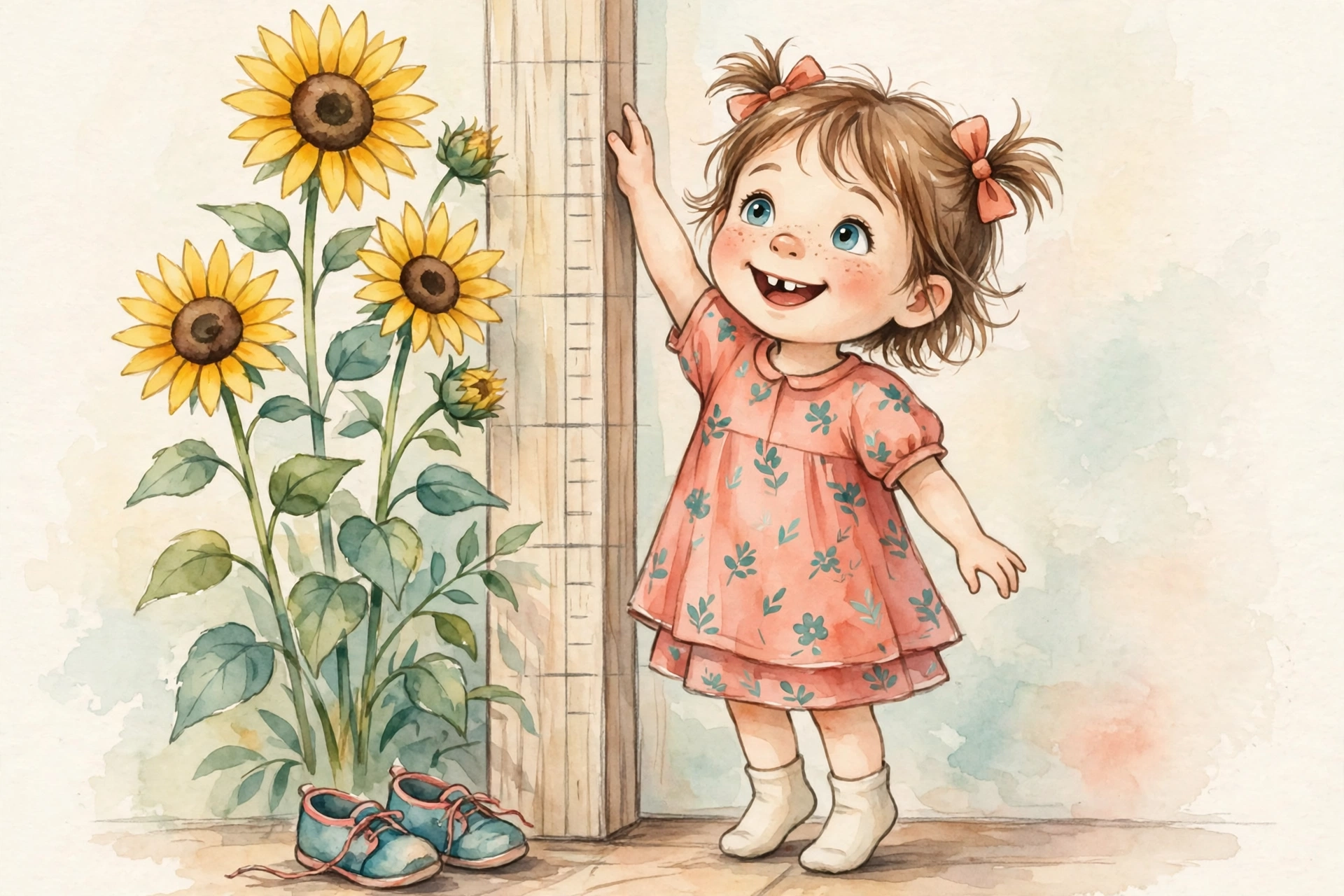
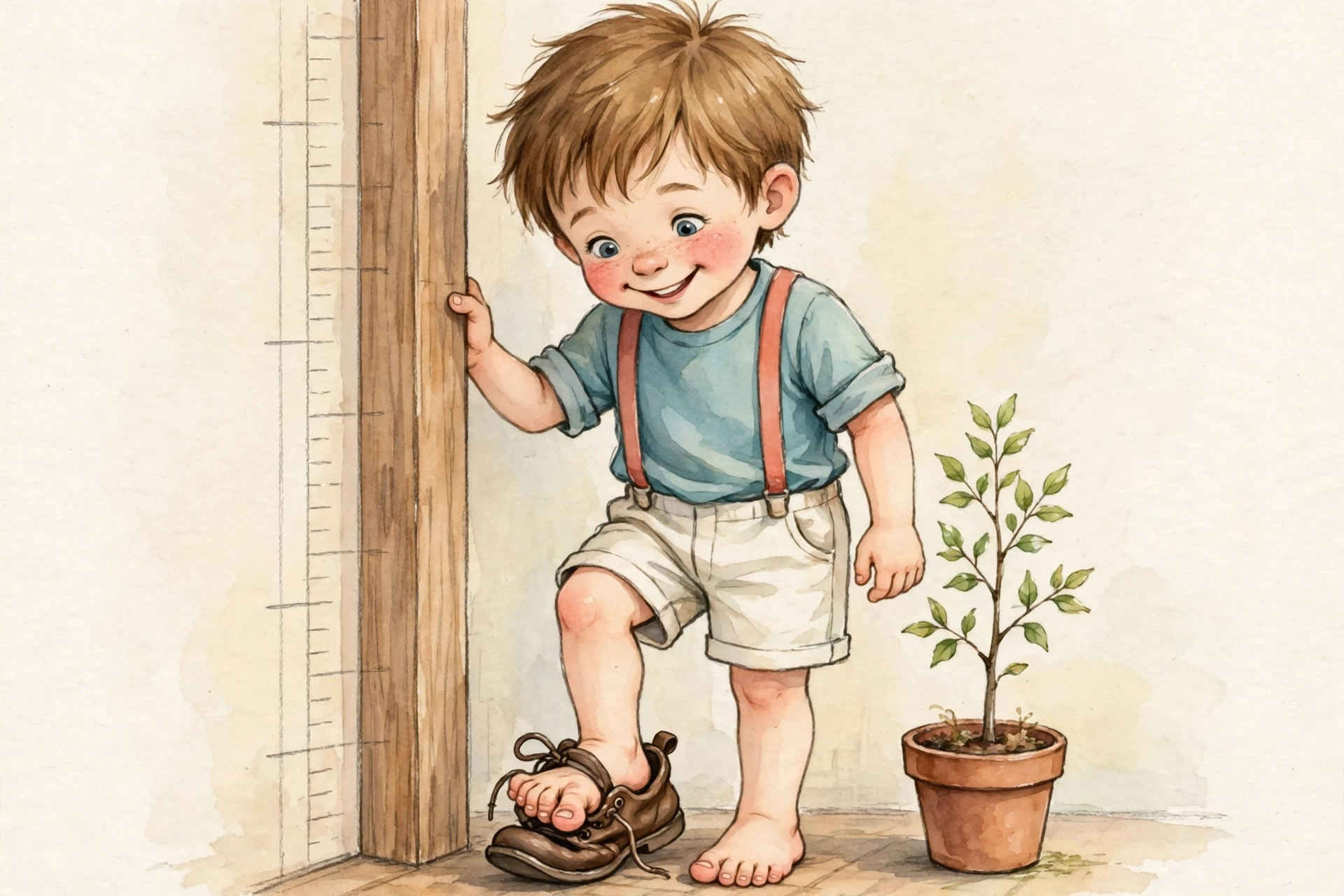
Growing up — at the right depth for each age. Ages 3–8 keep it simple and sweet: getting taller and stronger, outgrowing shoes, losing teeth. Ages 9–12 explain body changes plainly and kindly, the way the classic growing-up books do, and treat crushes as what they are at that age — feelings — alongside friendship, boundaries and respect. Ages 13–18 include first relationships the way young-adult novels do: honest feelings, mutual respect and clear boundaries, age-appropriate and never explicit. Nothing in any book is graphic, and the preteen books contain no how-to romantic content at all.
Do you make books for someone who doesn't speak? ▾
Yes — that's what the wordless books are for. Choose a picture story (a whole adventure told in pictures, with no words at all), a symbol story (told with the picture symbols used on communication devices and symbol boards), or a choice book (the reader points or taps to decide what happens next). There's no reading level involved, so they suit any age — a young child or a nonverbal adult — and the artwork is always drawn for the reader's real age. Each book opens with a short read-together guide for whoever shares it with them.
What do the money lesson books teach? ▾
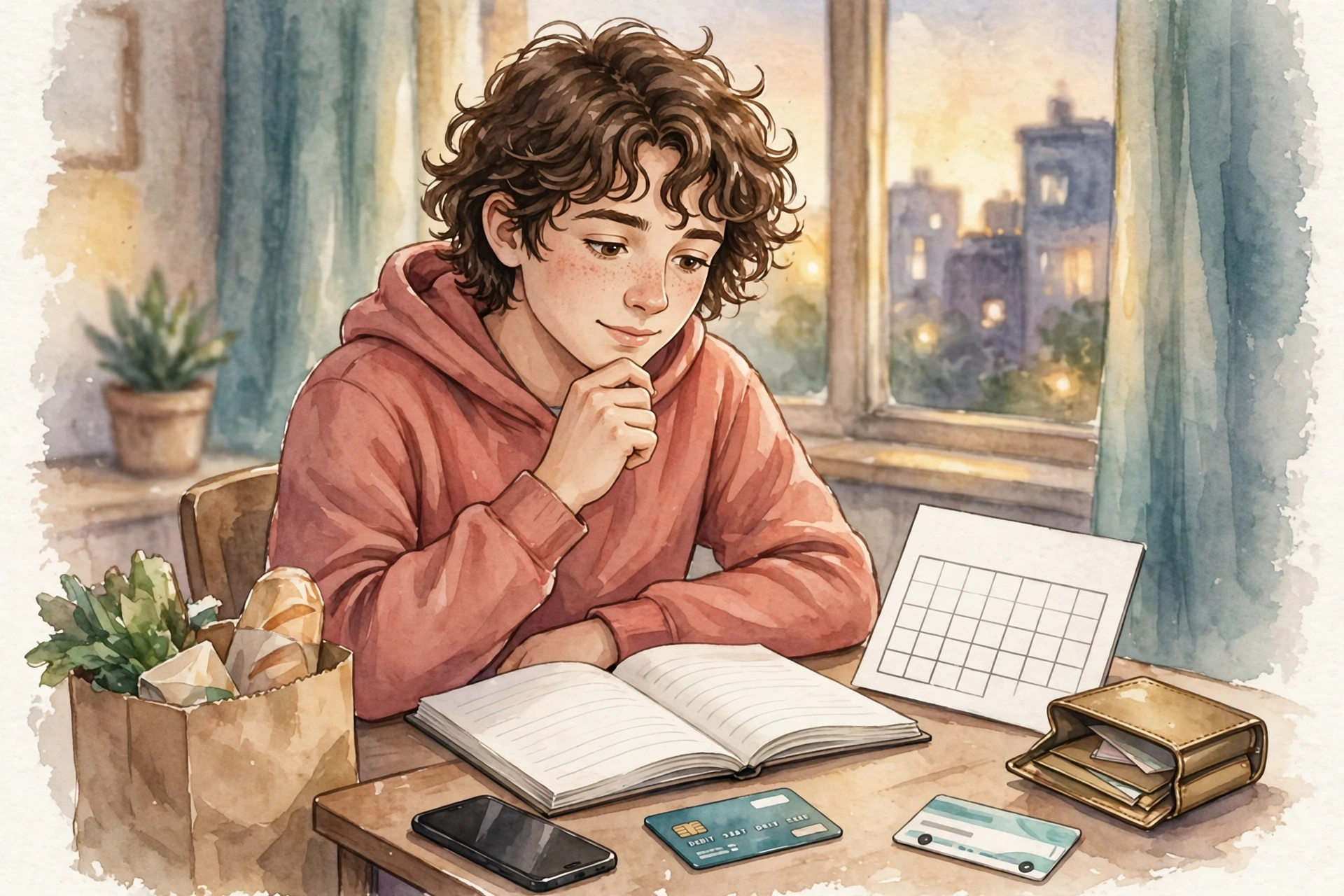
Four simple truths, told as stories for ages 9–18 and broken down as plainly as we can make them: money comes from somewhere — a job, monthly benefits, or family — and it is not always just there. Needs (food, home, the bus pass, the phone) get paid before wants. Money that arrives once a month is shared out week by week so it lasts. And when money is spent, it is gone until more comes — not as a scare, just as a fact a good plan is built on. The preteen book, The Three Envelopes, teaches it through a first job and three envelopes marked Needs, Save and Fun; the young-adult book, Make It Last the Month, follows a whole month from payday to the last week.
What are the Christian stories about? ▾
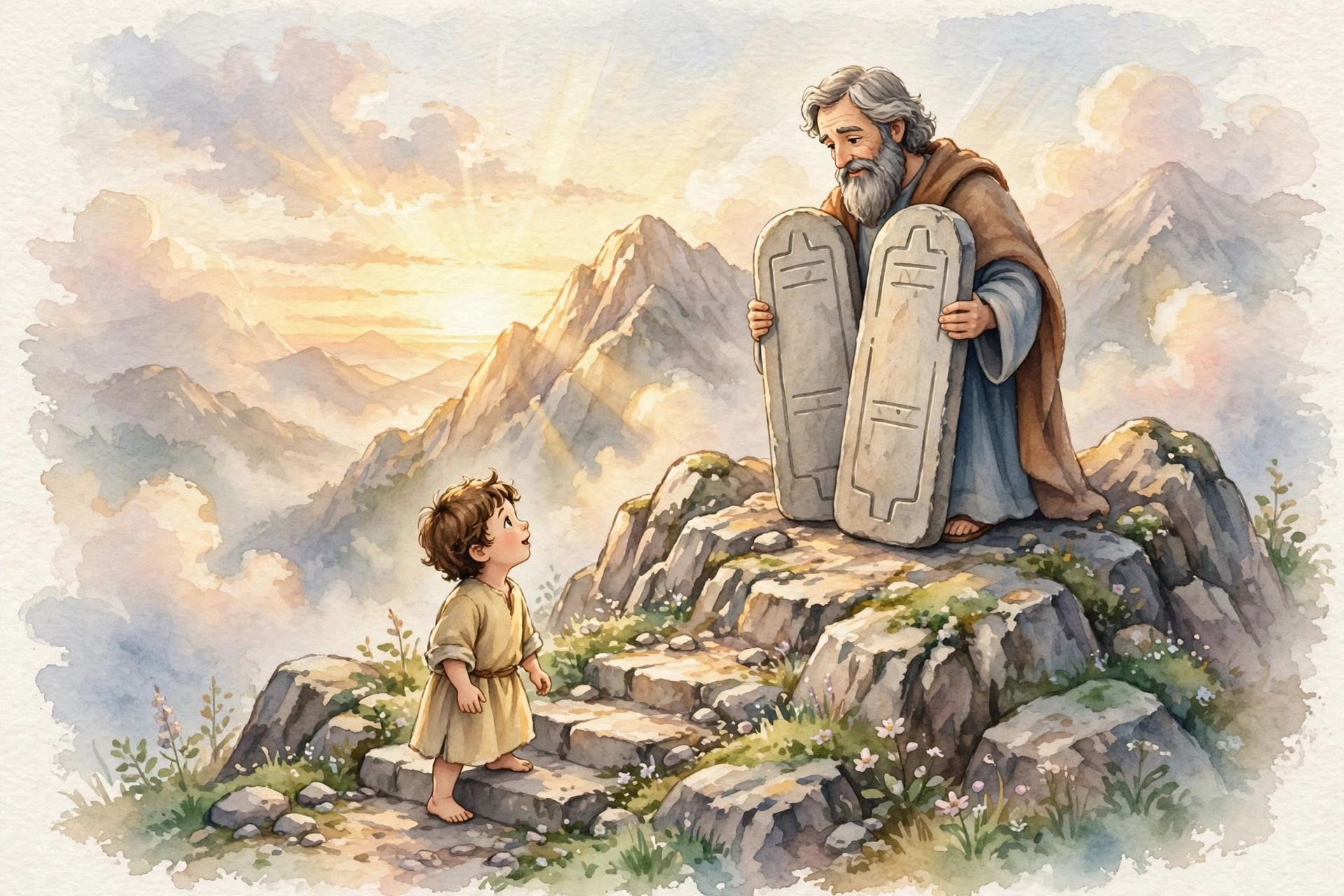
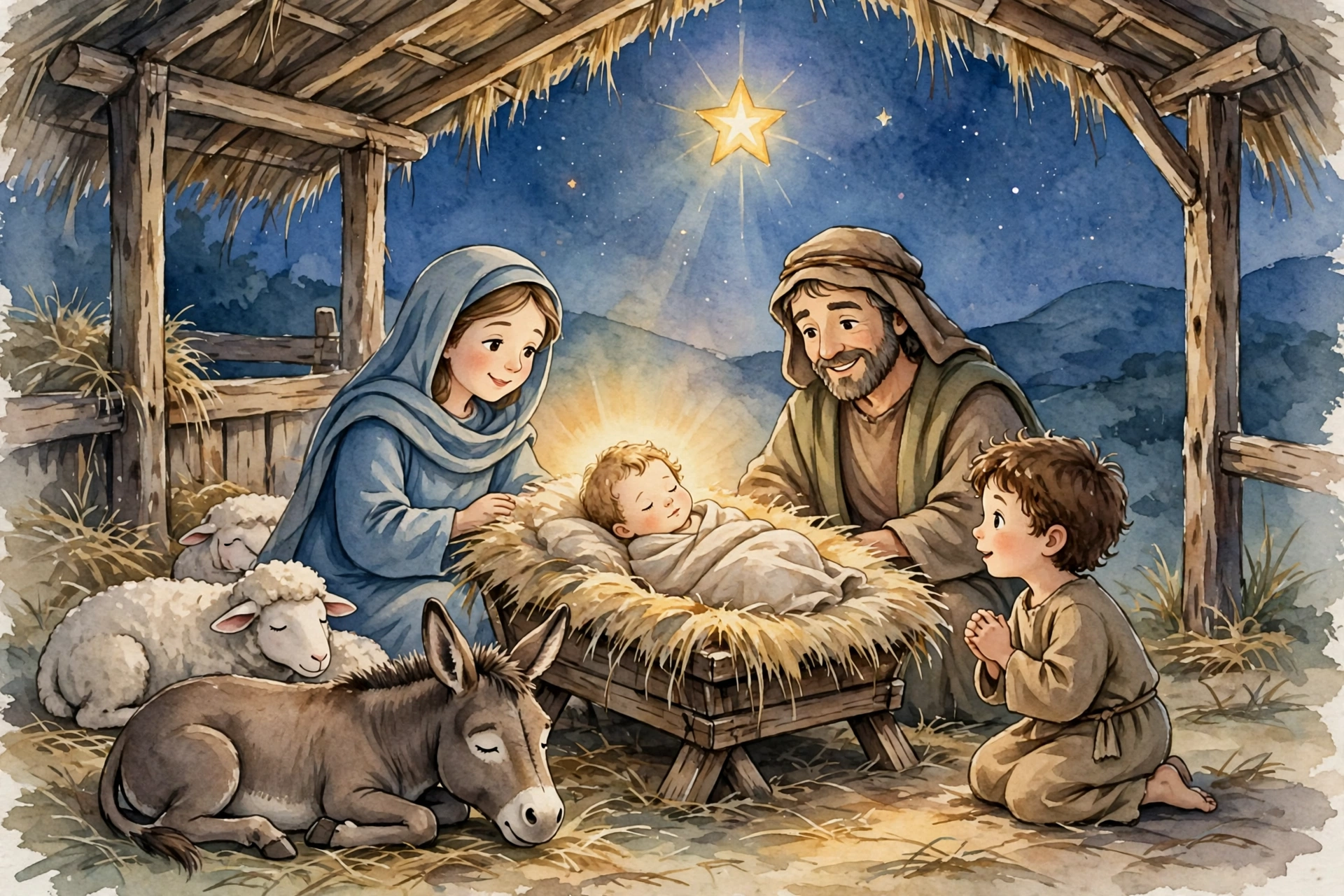
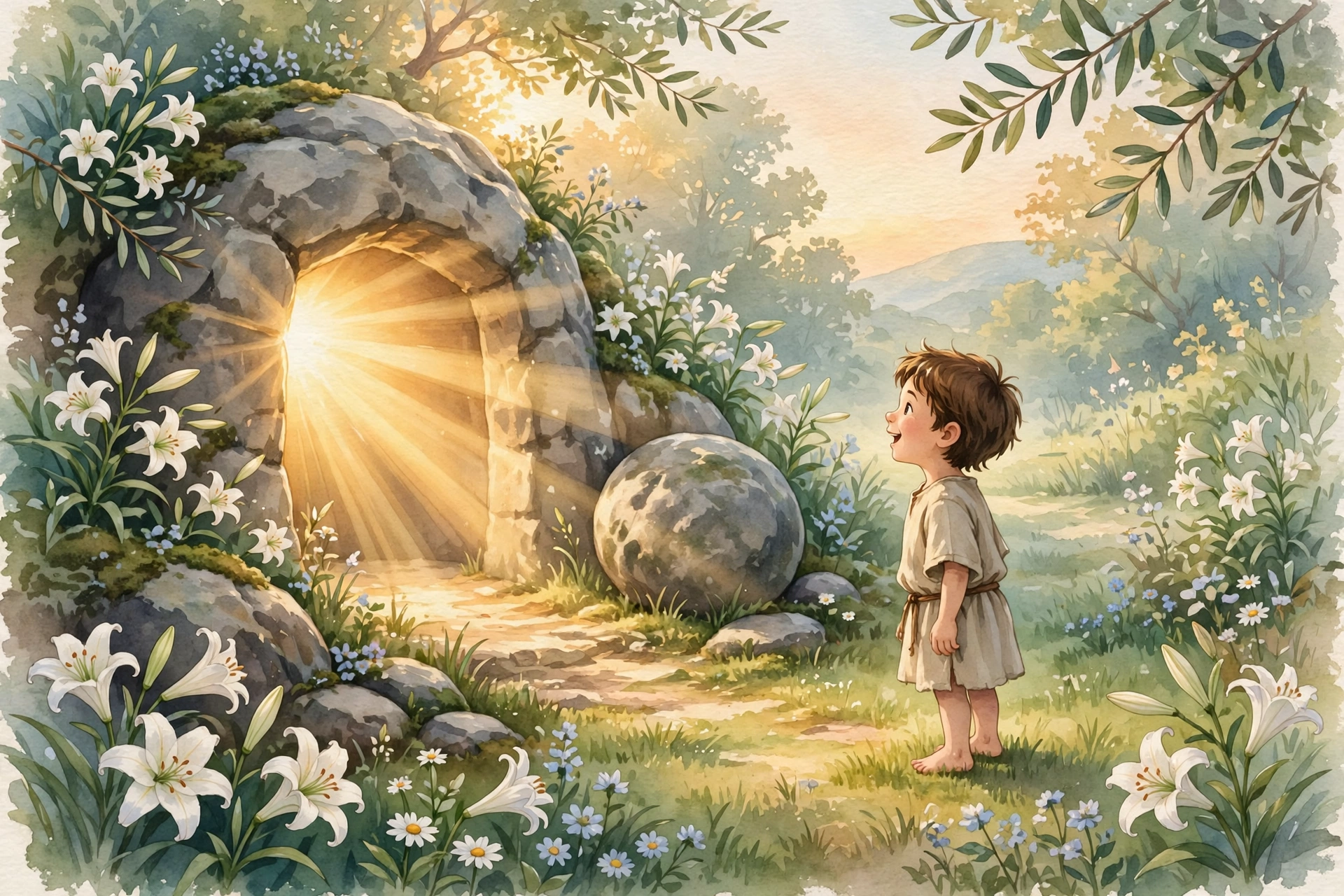
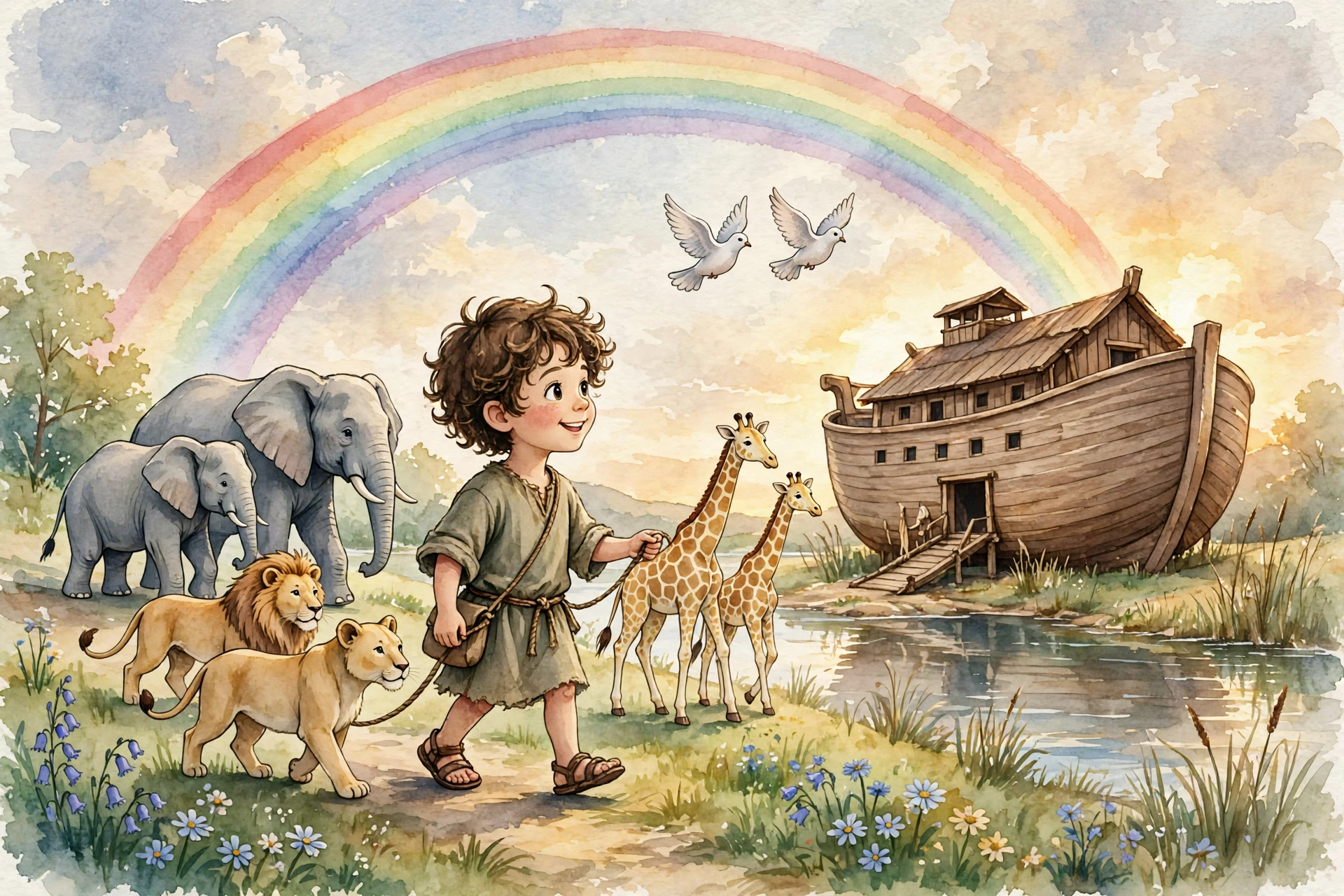
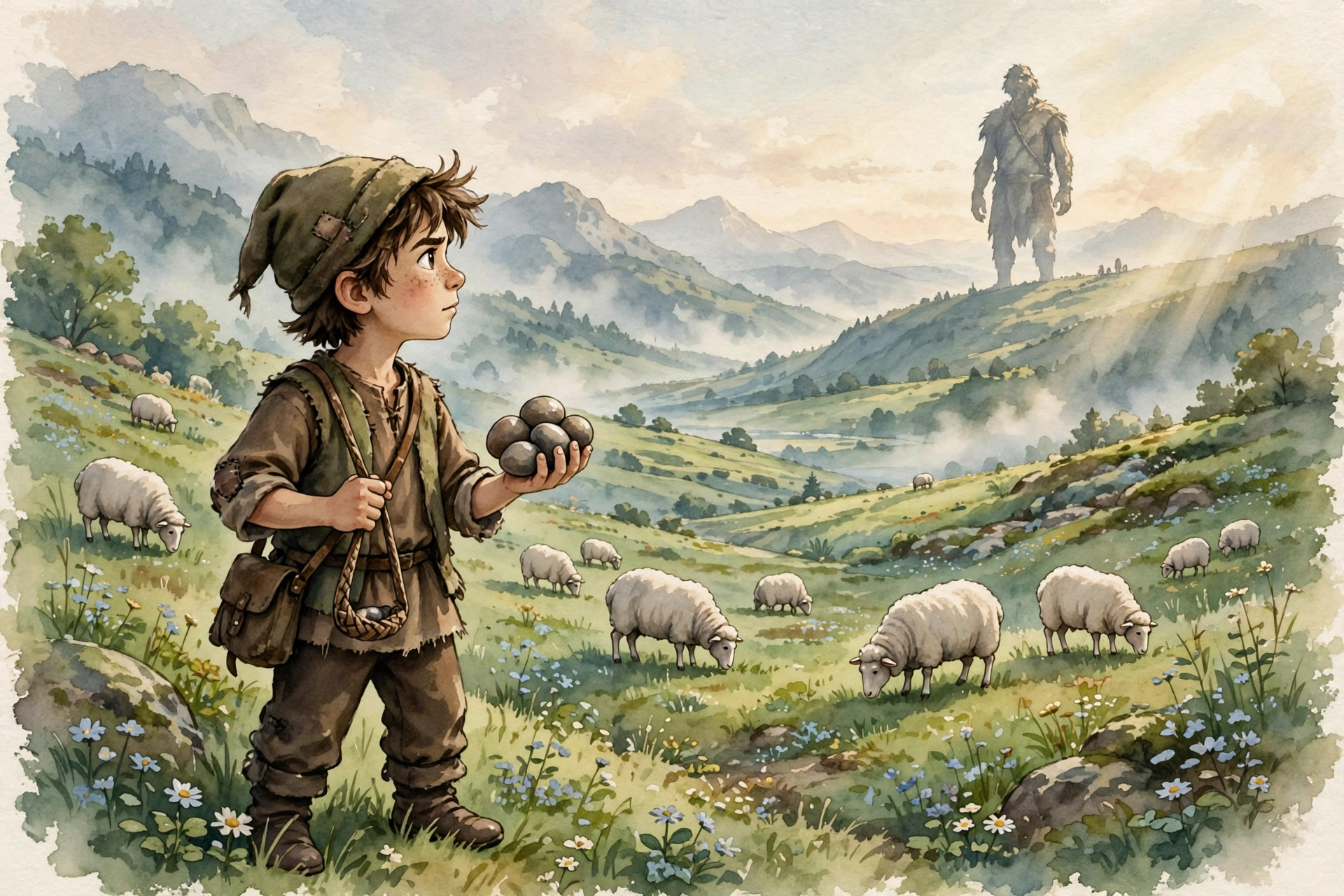
Every age group has its own Christian shelf. The Bible stories put your child or teen right into Scripture as the hero of the retelling — helping Noah with the animals (ages 3–8), standing brave like young David facing Goliath (ages 9–12), or walking with Jesus by the Sea of Galilee (ages 13–18) — staying true to the Bible's own events and promises. Alongside each is a grace book written for that age, teaching the heart of the Good News in simple, clear words: God loves us first, our sin separates us from Him, and He shows us mercy and grace — forgiveness and new life we could never earn — through His Son Jesus Christ, who died for our sins and rose again. Salvation comes through trusting in Jesus, and these books say plainly that no diagnosis and no difference in how a mind works can put anyone outside God's love. Every age group also has three more books: the Ten Commandments told in simple, everyday words — "love God most," "always tell the truth," "be happy with what you have" — a Christmas story about the night Jesus was born in Bethlehem, with the angels, the shepherds and the star, and an Easter story that walks through the cross to the empty tomb and the risen Jesus on Sunday morning. Like everything here, they're $14 and available in all 12 languages.
Can I get the book in another language? ▾
Yes — you choose the language when you order, and the whole book is written in it, every page, not just your child's name. There are 12 to choose from: English, Spanish, French, German, Italian, Portuguese, Dutch, Polish, Arabic, Hindi, Mandarin Chinese and Japanese. It works for every kind of book here, at every age — and for the wordless books, the read-together guide at the front is printed in your language. The free preview on this page shows the story in English so you can check it first; just pick your language in the preview form to see your choice noted.
When can I order? ▾
Very soon — checkout is being finished now. In the meantime, the free preview works fully, so you can see exactly what your child's book will feel like before spending a cent.
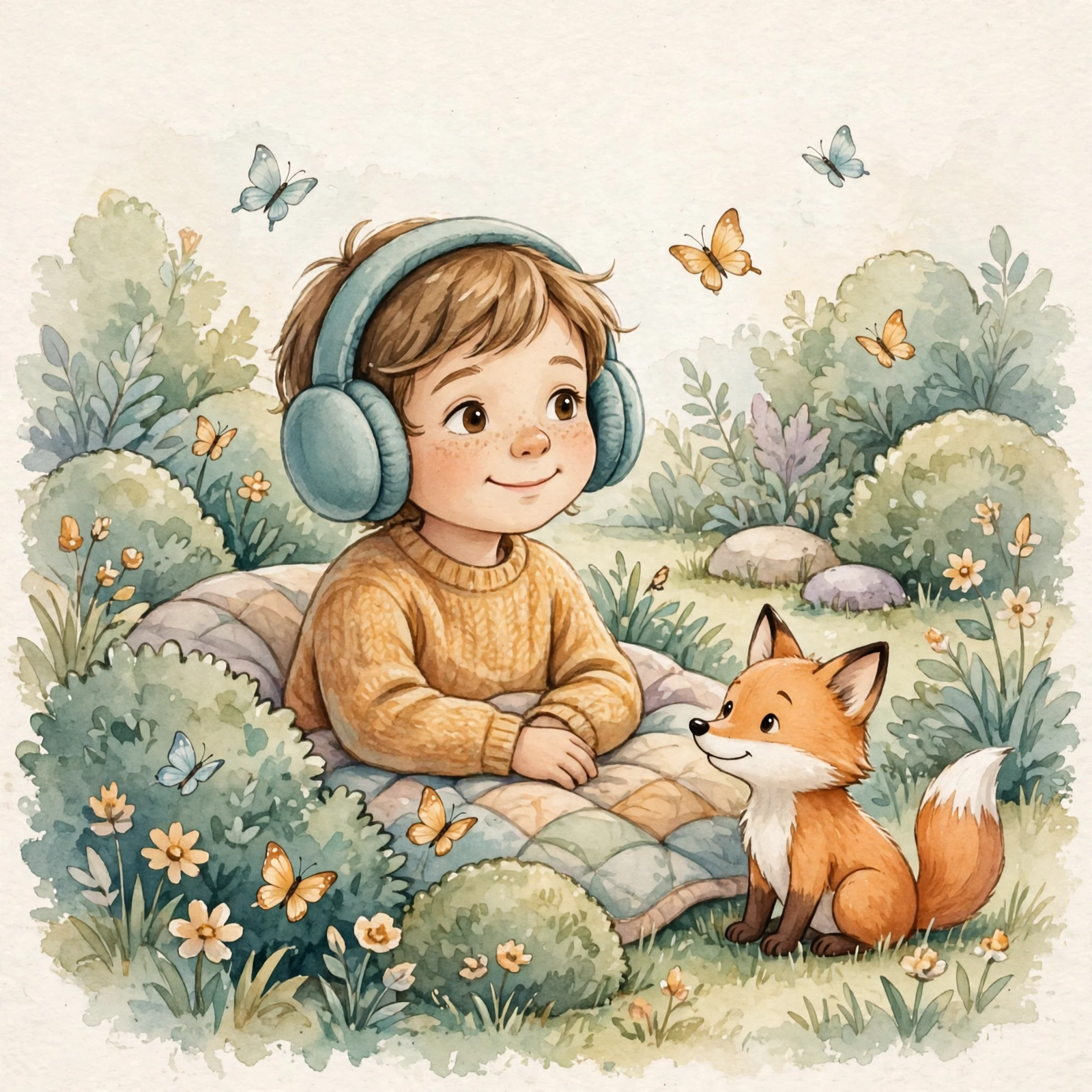
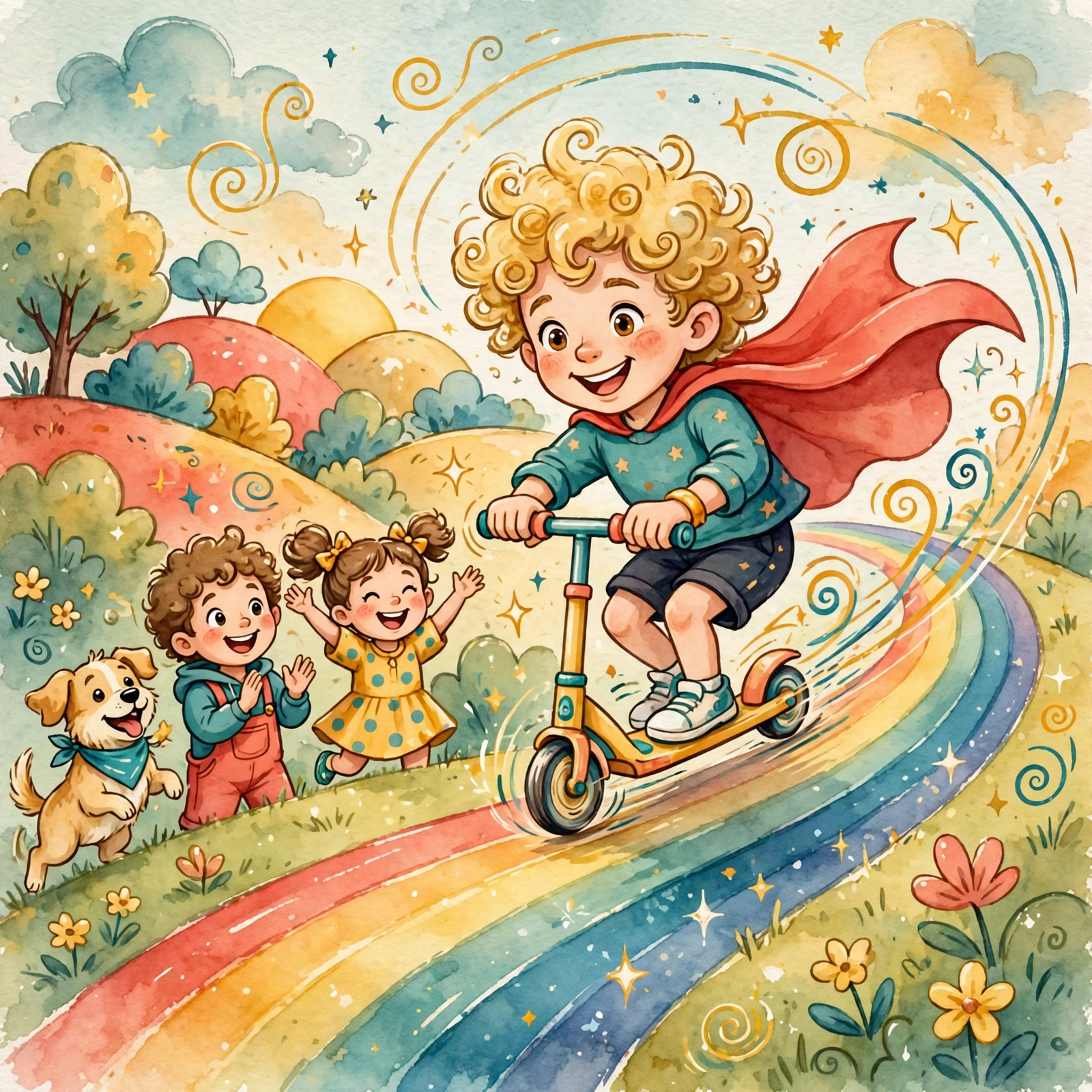

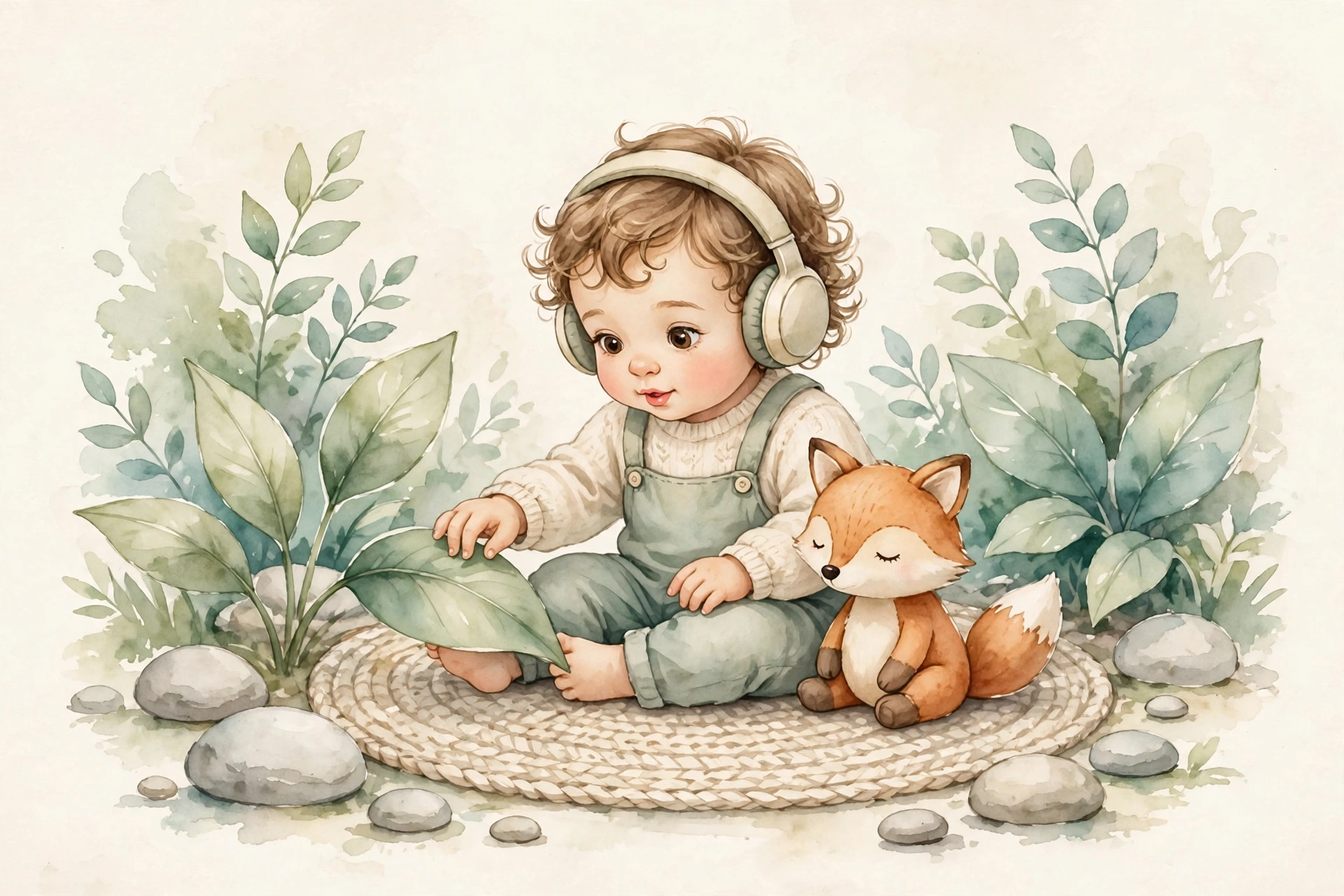
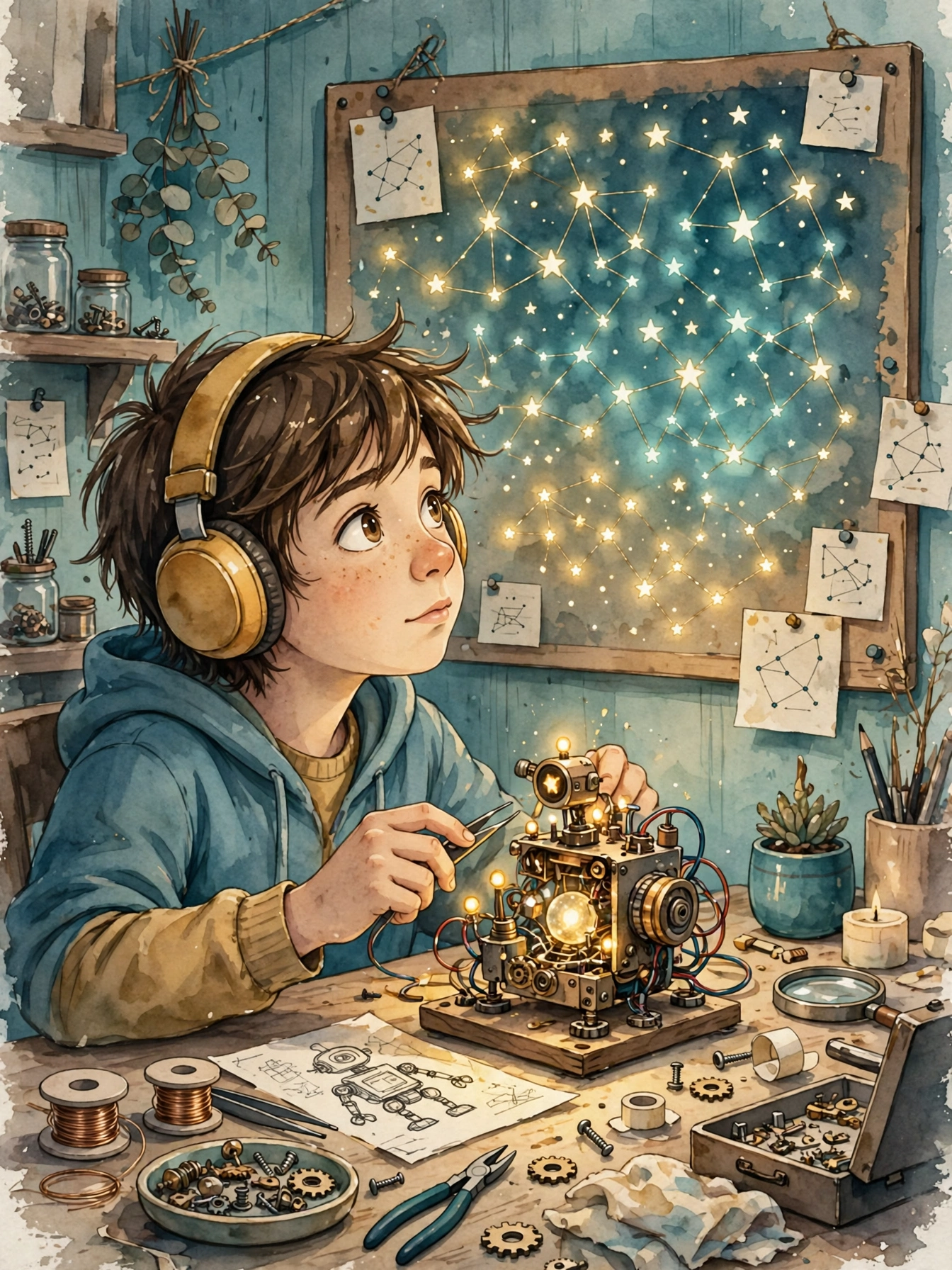
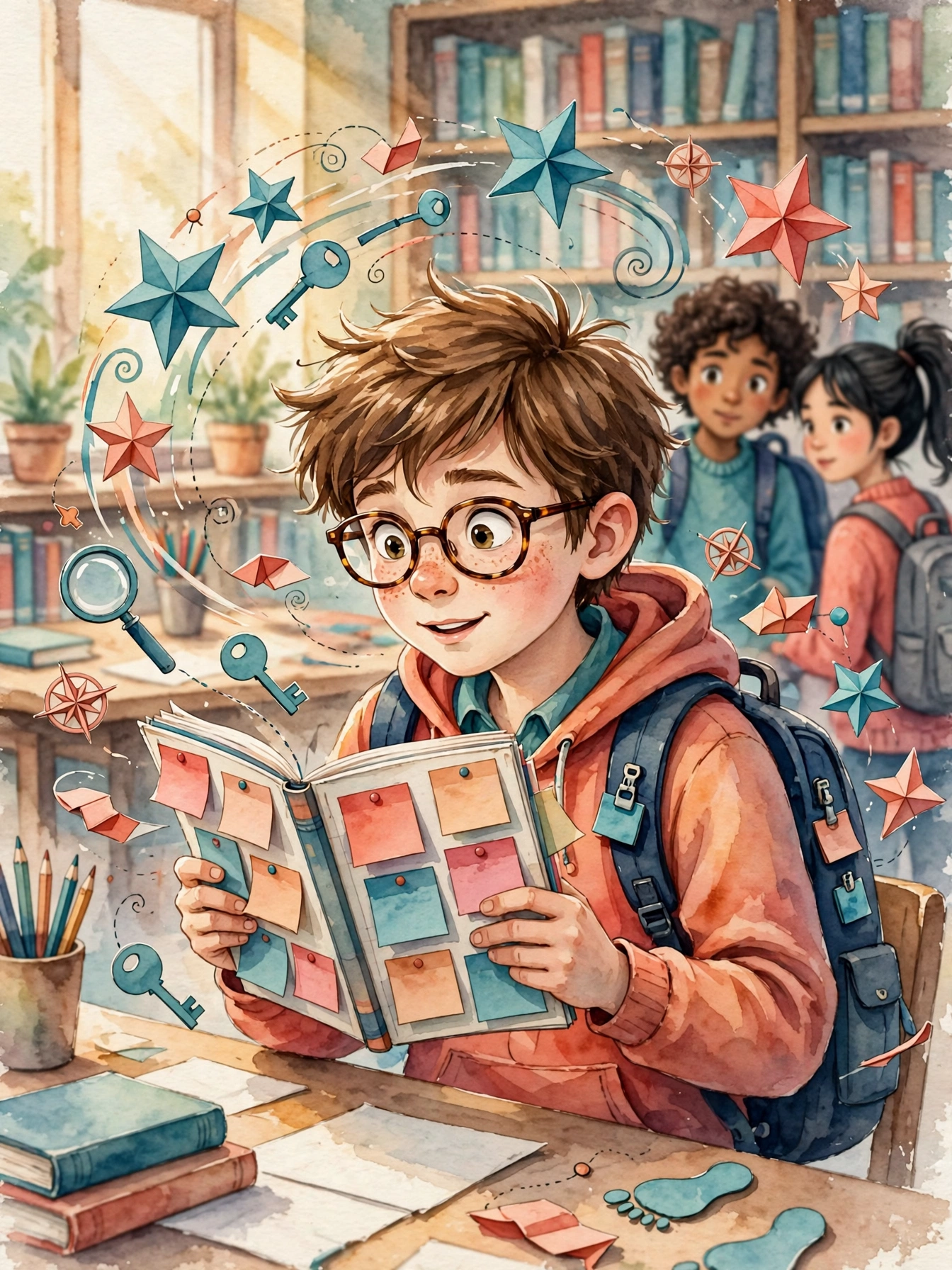
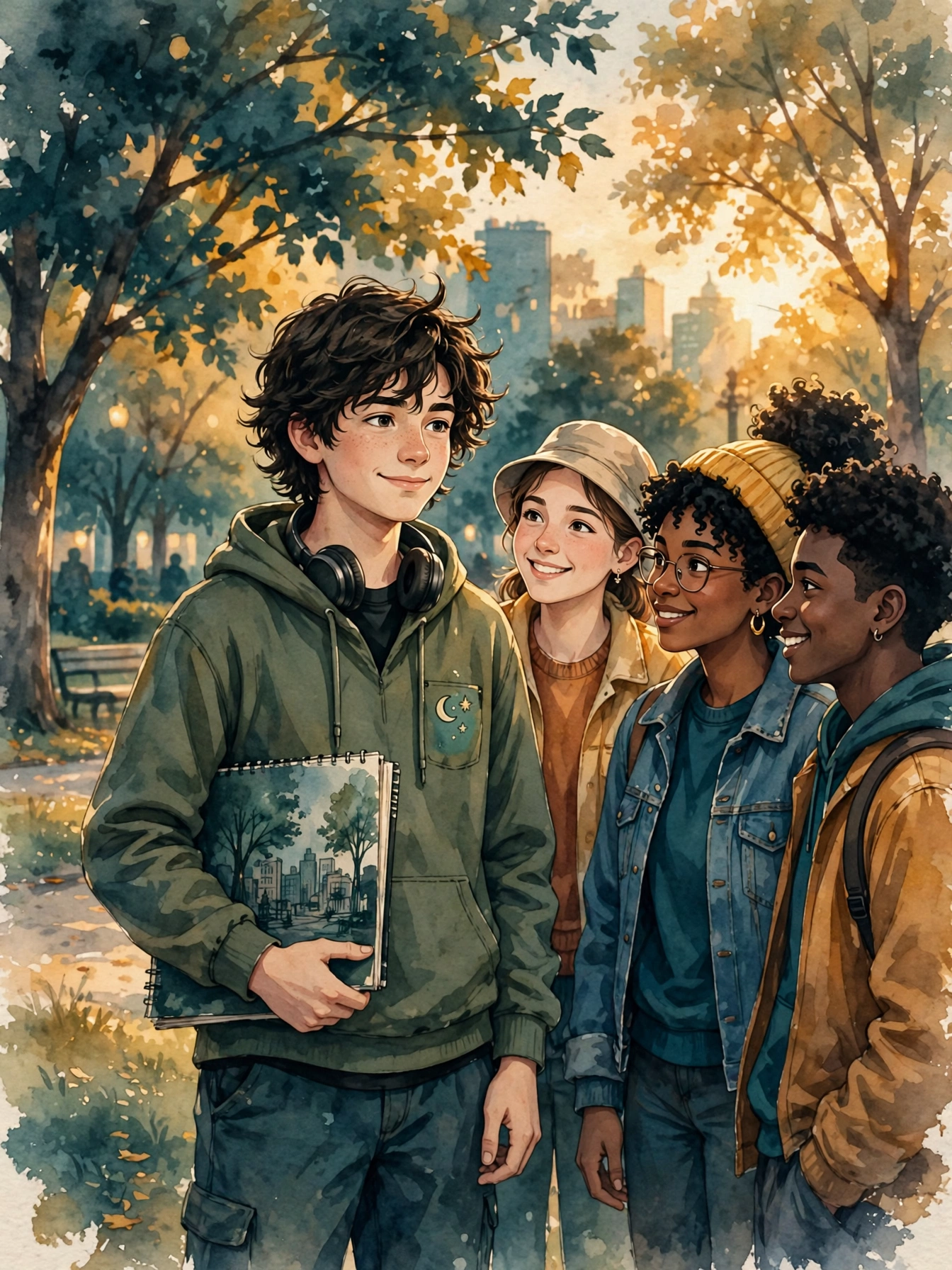
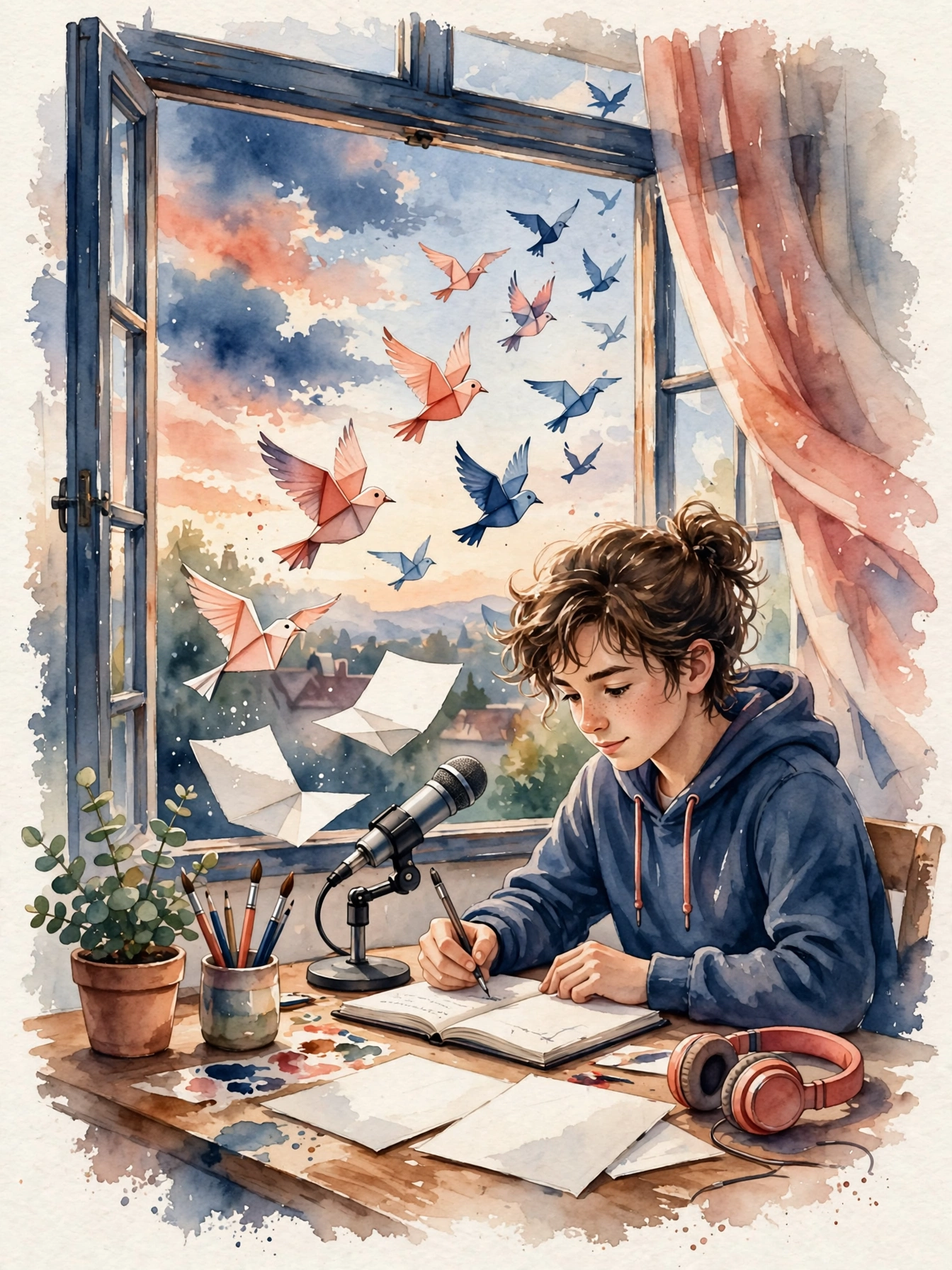




Social stories — ready for real life, one page at a time
Social stories are the tool parents of autistic and special-needs kids reach for most: a short, calm book that walks through one real-life moment step by step — what will happen, who will be there, what it might feel like, and what your child can do — so the real thing feels familiar before it happens. Here, every social story stars your child by name, in four age groups from toddler to teen: a first day at childcare, a first day of school, the dentist, a haircut, a doctor visit, making friends, or a first job interview.
How social stories help · The same three beats, every time
Every social story here is built the same gentle way, because predictability is the whole point — your hero always knows what is coming next.
Here's what will happen
The story walks through the moment in order, in plain, concrete words: where we're going, who will be there, what each step looks and sounds like. No surprises hiding between the pages — the unknown becomes known.
Here's how it might feel
Feelings are named out loud and treated as normal: it might be loud, it might feel strange, I might feel nervous — and other kids feel that way too. A feeling that has a name is a feeling that's easier to carry.
Here's what I can do
Every story hands the hero a plan: ask for a break, hold a favorite thing, use my words or my device, find my safe person. The story always ends the same way — I did it, and I can do it again.
Read it before the day
Social stories work best read a few times before the real moment — at bedtime, in the car, whenever it's calm. By the big day, your child has already lived it in the story, and the real thing feels like a rerun.
The social stories · One for every age group
Each full book is written around the moment your family is facing — when you order, you tell us the situation, the place, and the people involved, and the story is built around your child's real day. These are the ones parents ask for most, ready to preview free:
Tiniest & Little Heroes · Ages 1–8 · First days & first visits
My First Day at Childcare
The very first social story, for toddlers starting childcare or preschool: who will be there, where the toys and the snacks are, and the most important part of all — grown-ups always come back. One short line per page, read together as many times as it takes.
My First Day of School
The classic first-day story, starring your child: the walk in, the classroom, where their things go, who to ask for help, and how the day ends with you right there waiting. The most-requested social story there is — because the first day is a big day.
A Visit to the Dentist
The chair that leans back, the bright light, the counting of teeth — walked through step by step before it happens, with a plan for the wiggly parts and a brave finish. Doctor visits and haircuts are told the same careful way.
Preteen & Young Adult Heroes · Ages 9–18 · Friends, school & first jobs
Making a Friend
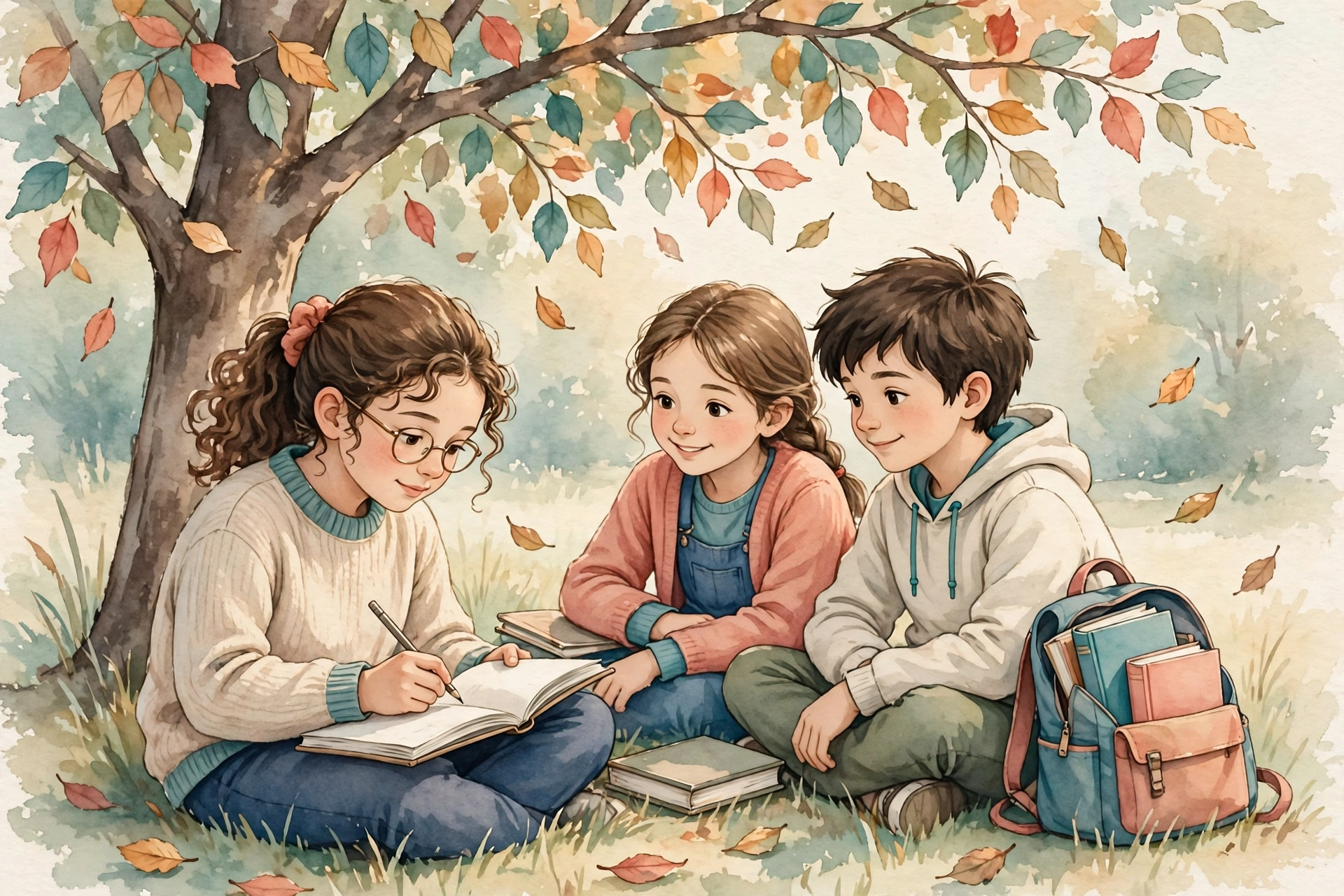
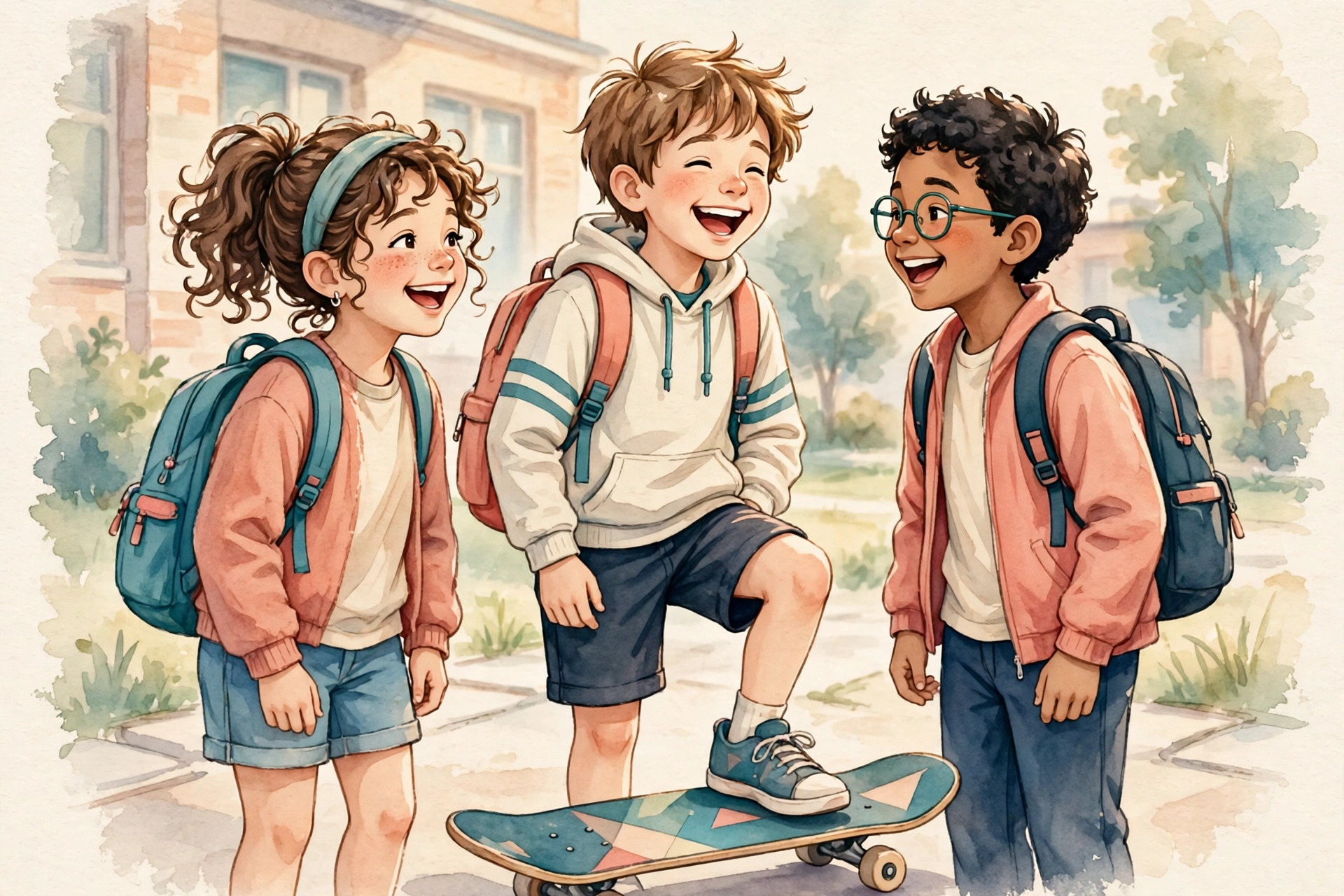
Friendship, broken down into steps a preteen can actually use: how conversations start, how to join a group without barging in, what to do when it goes wrong, and how to tell a real friend from a crowd. Practical, kind, and never preachy.
My First Job Interview
A teen social story for the grown-up moments: what an interview actually is, the questions they really ask, what to wear, when to arrive, and how to answer honestly about how your brain works. Ends with the truth — prepared beats perfect, every time.
Facing a different moment? We write those too
Any moment that can be walked through can be a social story: haircuts, doctor and dentist visits, shots and blood draws, riding the school bus, birthday parties, a new baby in the family, moving house, flying on a plane, fire drills, starting a new school, sleepovers, losing a game gracefully, and the first day of a new job. Tell us the moment when you order, and the story is built around your child's real one — same $14 price, same 12 languages, free to preview the style below.